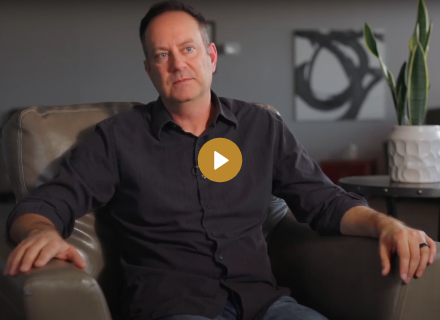
By Floyd Godfrey, PhD
Maybe you are in your twenties, have a job, responsibilities, relationships, and a life that looks fairly normal from the outside. Yet there is one part of your life you rarely talk about. Pornography has become difficult to control.
You may have promised yourself you were finished, only to return a few days later. Maybe you delete apps, install filters, pray harder, stay busy, or tell yourself you simply need more discipline. Then something happens. You feel lonely, stressed, rejected, bored, anxious, or overwhelmed, and the pattern starts again.
If that sounds familiar, the problem may be more complicated than a lack of willpower.
When Pornography Becomes an Escape
Pornography can gradually become a way of managing feelings.
You might notice that you are most vulnerable late at night, after conflict, when you feel lonely, when work has been stressful, or when you are disappointed in yourself. At those moments, pornography offers stimulation and temporary relief.
That relief can teach you to return whenever uncomfortable emotions appear.
This is why simply asking, “How do I stop watching pornography?” may not be enough. Another helpful question is, “What am I trying not to feel right now?”
Sometimes the answer is loneliness. Sometimes it is anxiety, frustration, insecurity, sexual curiosity, or the feeling that you are not measuring up.
The Questions You Never Got to Ask
Also, if you grew up in a religious or conservative home, you may have learned many valuable things, including commitment, responsibility, faith, boundaries, and strong values.
But some families are uncomfortable discussing sexuality.
Maybe nobody explained what sexual development would actually feel like. Perhaps masturbation was never discussed except as something wrong. Maybe pornography was treated as dangerous, but nobody explained why it could become so compelling. You may have had questions about attraction, your body, relationships, sexual performance, fantasies, or what is normal, but asking those questions felt embarrassing or unsafe.
So you learned to keep them inside.
Now, in your twenties, you may still be carrying questions you first had at 13, 16, or 20. You might even feel ashamed for having the questions.
Having questions does not mean you have abandoned your values. It means you need somewhere mature and safe to talk.
Why Shame Makes Things Worse
Shame sounds like this:
“Why can’t I control myself?”
“Other guys probably don’t struggle like this.”
“What would my parents think?”
“What would my future wife think?”
“Maybe something is wrong with me.”
This kind of thinking often drives the problem deeper underground.
Patrick Carnes (2001) described how secrecy, shame, emotional distress, and compulsive sexual behavior can reinforce one another. When pornography brings temporary relief but is followed by shame, that shame creates more emotional pain. Eventually, pornography may become the way you escape from feelings partially created by pornography itself.
Stop Measuring Yourself Against Everyone Else
Comparison can quietly intensify the problem.
Maybe your friends seem more successful. Someone else is married. Someone has a better career. Another guy looks stronger, seems more confident, earns more money, or appears to have dating figured out.
Then pornography adds another layer of comparison. Bodies, sexual performance, confidence, and relationships are presented in unrealistic ways.
You can end up believing that everyone else knows something you do not.
They probably do not.
Many men carry private insecurities they never discuss.
Finding Somewhere Safe to Talk
Recovery often begins when secrecy starts ending.
That does not mean you need to tell everyone everything. It means finding one trustworthy person who can handle an honest conversation without humiliating you.
That person might be a therapist, counselor, recovery coach, mentor, pastor with appropriate training, or another mature man who understands compulsive sexual behavior.
You can begin simply:
“I have some questions about sexuality and pornography that I have never really been comfortable talking about.”
You do not need to explain everything during the first conversation.
Learning your emotional triggers, developing healthier coping strategies, setting practical boundaries with technology, building meaningful relationships, and understanding your sexuality can all become parts of recovery.
Most importantly, you can learn to deal with the person underneath the behavior.
Recovery is not merely about becoming better at saying no. It is about becoming more comfortable with honesty, emotional connection, healthy sexuality, and the questions you once believed you had to carry alone.
Floyd Godfrey, PhD is a Clinical Sexologist and a Certified Sex Addiction Specialist. He has been guiding clients since 2000 and currently speaks and provides consulting and mental health coaching across the globe. To learn more about Floyd Godfrey, PhD please visit his website: www.FloydGodfrey.com
Reference
Carnes, P. (2001). Out of the shadows: Understanding sexual addiction (3rd ed.). Hazelden.
Get Started
Fill out form below