By Dr. Floyd Godfrey
Many believers sincerely desire to experience the blessings of God in deeper and more meaningful ways. Scripture affirms that the Lord is generous and attentive to His children, as James 1:17 reminds us that every good and perfect gift is from above. Yet, despite this promise, many Christians feel spiritually stagnant or unaware of God’s activity in their lives. One significant reason is not a lack of blessing, but a lack of recognition.
God often blesses us in ways that are subtle, personal, and already present in our daily lives. These blessings may include relationships, abilities, opportunities, or even the quiet strength to endure hardship. However, when our attention is fixed on what we lack, we become spiritually nearsighted. Chatfield (2026) explains this dynamic clearly, writing, "One of the biggest reasons people don't recognize what's in their hands is they haven't thanked God for it. They're so focused on what they don't have, they've lost sight of what they do," (p. 80). This insight reveals a spiritual principle, gratitude sharpens our awareness of God's provision.
The Bible consistently calls believers to cultivate thankfulness. In 1Thessalonians 5:18, we are instructed to give thanks in all circumstances. This is not merely a suggestion for emotional well-being, it is a posture that aligns our hearts with God’s truth. When we fail to give thanks, we risk diminishing the value of what God has already entrusted to us. Chatfield (2026) continues, "If you won't stop and thank God for it, you'll overlook it, devalue it, and miss the opportunity sitting right in front of you," (p. 80). Gratitude is not passive, it is an active recognition that opens our eyes to opportunity and purpose.
There is also a deeper spiritual implication. When we ignore what God has already provided, we may unintentionally communicate dissatisfaction or mistrust. This can hinder our spiritual growth. In the Parable of the Talents in Matthew 25, the servant who failed to steward what he had was not entrusted with more. God honors faithfulness in the present before expanding our influence or resources.
Chatfield (2026) offers a practical and transformative approach, "Want to see what God can do with what's in your hands? Start by thanking Him for it," (p. 81). This perspective shifts the focus from striving for more to stewarding what already exists. Gratitude becomes the doorway to multiplication, both spiritually and practically.
Furthermore, believers are encouraged to pause before asking God for additional blessings. While it is appropriate to bring requests before the Lord, there must also be a balance of appreciation. As Chatfield (2026) writes, "Stop asking for new tools until you've honored the ones He already gave you," (p. 81). This statement challenges a consumer mindset that can creep into our faith, where we constantly seek more without fully engaging with what we have.
For pastors and parents, this principle is especially important. Modeling gratitude teaches others how to recognize God’s hand in everyday life. When children or congregants observe a consistent attitude of thankfulness, they learn to see God not only in dramatic moments, but in the ordinary rhythms of life.
Ultimately, God’s desire to bless us spiritually is not limited by His willingness, but often by our awareness. When we slow down, give thanks, and honor what He has already provided, we position ourselves to receive more of His grace and purpose. Spiritual blessing is not always about receiving something new, it is often about seeing clearly what has been there all along.
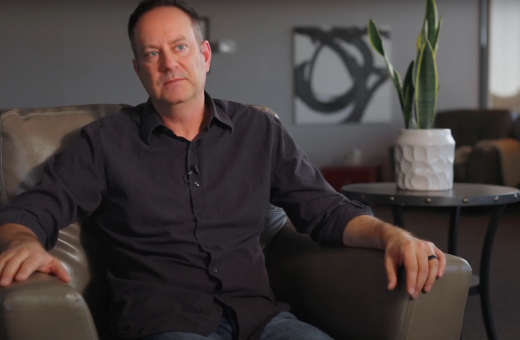
Floyd Godfrey PhD is a Board Certified Christian Counselor and has facilitated groups within different churches and denominations over the past 30 years. He worked as a licensed clinician for 23 years and provided supervision and training for other counselors as they worked toward independent licensure. You can read more about Floyd Godfrey PhD at www.FloydGodfrey.com.
References
Chatfield, K. (2026). The power to prosper. Charisma House.
Get Started
Fill out form below