By Floyd Godfrey, PhD
Prevalence and Hidden Struggles
Pornography addiction continues to impact men across all demographics, often hidden beneath layers of shame and secrecy. Counselors and therapists frequently encounter clients who struggle to articulate the deeper emotional drivers behind compulsive sexual behaviors. Eldredge (2002) highlights a critical insight into this dynamic, stating, “Why is pornography more addictive for men than heroin? Because that seductive beauty reaches down inside and touches [his] desperate hunger for validation as a man [he] didn’t even know he had, touches it like nothing else most men have ever experienced,” (p. 114). This perspective underscores the powerful intersection between neurobiology and unmet emotional needs.
Many clinicians, including Patrick Carnes, have emphasized that addiction is rarely about the behavior itself; instead, it is rooted in unresolved wounds and attachment deficits. Understanding this deeper layer is essential for effective treatment and long-term recovery.
The Role of Shame and Masculine Identity
A recurring theme in male clients is the presence of shame tied to perceived inadequacy. Eldredge (2002) writes, “Most men, including myself, are embarrassed by their emptiness and woundedness,” (p. 140). This emotional reality often remains unspoken, yet it significantly influences addictive patterns. Men frequently internalize cultural expectations of strength, suppressing vulnerability and emotional expression.
This suppression contributes to a fractured sense of identity. As Eldredge further explains, “We know we are meant to embody strength, we know we are not what we were meant to be, and so we feel our brokenness as a source of shame,” (p. 140). Pornography becomes a maladaptive coping strategy, offering temporary relief from these painful internal narratives.
Psychological Patterns and Attachment Wounds
From a clinical perspective, pornography addiction often aligns with attachment disruptions and emotional dysregulation. Individuals may use sexualized content to self-soothe, regulate mood, or escape feelings of inadequacy. Over time, this reinforces neural pathways associated with reward and avoidance, making the behavior increasingly compulsive.
Research-informed approaches emphasize identifying triggers, emotional states, and relational patterns that sustain the addiction cycle. Psychoeducation plays a critical role here, helping clients understand how early experiences shape current behaviors. When individuals begin to connect their actions with underlying wounds, they gain greater agency in the recovery process.
Therapeutic and Coaching Interventions
Effective treatment integrates multiple modalities, including cognitive behavioral strategies, trauma-informed care, and group support. Clinicians often guide clients in developing emotional awareness, building resilience, and establishing healthier coping mechanisms. Structured recovery programs, such as those informed by Carnes’ task-centered model, provide a roadmap for addressing both behavior and underlying trauma.
Coaching interventions can complement therapy by focusing on accountability, goal setting, and lifestyle restructuring. Encouraging clients to engage in authentic relationships is particularly important, as connection counters the isolation that fuels addiction. Additionally, mindfulness practices and somatic awareness can help individuals regulate emotional states without resorting to compulsive behaviors.
Pathways Toward Healing and Wholeness
Recovery from pornography addiction is not merely about abstinence; it involves restoring a healthy sense of identity and purpose. As clients begin to confront shame and embrace vulnerability, they often experience profound transformation. The process requires patience, consistency, and a supportive therapeutic environment.
Professionals working in this field are uniquely positioned to guide individuals toward healing by addressing both the psychological and emotional dimensions of addiction. With the right interventions, men can move beyond cycles of shame and compulsion, rediscovering a sense of strength rooted in authenticity rather than performance.
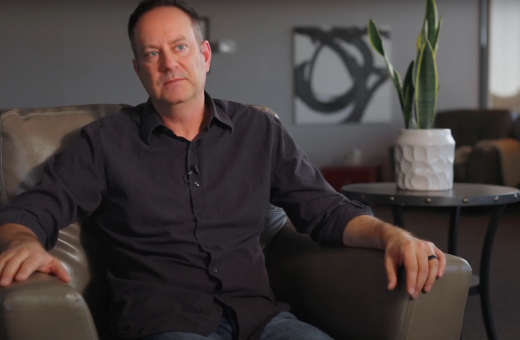
Floyd Godfrey PhD is a Clinical Sexologist and a Certified Sex Addiction Specialist. He has been guiding clients since 2000 and currently speaks and provides consulting and mental health coaching across the globe. To learn more about Floyd Godfrey PhD please visit his website: www.FloydGodfrey.com
References
Eldredge, J. (2002). Wild at heart: Field manual: A personal guide to discovering the secret of your masculine soul. T. Nelson Publishers.
Get Started
Fill out form below