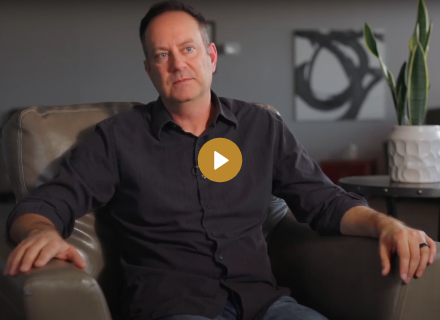
Dr. Floyd Godfrey
In today's fast-paced culture, rest is often viewed as a luxury rather than a necessity. Many people push themselves to keep going despite feeling emotionally, physically, and spiritually exhausted. Responsibilities at work, family obligations, financial pressures, ministry demands, and unexpected life challenges can create a constant sense of overwhelm. When individuals feel crushed by the weight of life's circumstances, the temptation is often to work harder, strive more intensely, or simply endure until conditions improve. However, Scripture and wise Christian teaching remind us that rest is not a sign of weakness. It is an essential part of God's design for healthy living and spiritual growth.
Throughout the Bible, God demonstrates the value of rest. From the establishment of the Sabbath to Jesus withdrawing from the crowds to pray, Scripture reveals that periods of renewal are necessary for sustaining strength and maintaining spiritual clarity. Rest allows believers to regain perspective, restore emotional balance, and reconnect with God amid life's demands.
One of the greatest dangers of prolonged stress is that individuals may continue functioning outwardly while becoming depleted inwardly. Many people become so focused on meeting obligations that they ignore the warning signs of exhaustion. Over time, this can lead to burnout, discouragement, strained relationships, and diminished spiritual vitality. While perseverance is important, wisdom requires recognizing when rest is needed.
T. D. Jakes (2019) emphasizes this principle, writing, "There is something to be said about the value of being alone and taking a break from it all. It makes no sense to arrive at the fruition of your destiny and have little to no strength to walk in it" (p. 238). This insight highlights an important truth. Achieving goals and fulfilling responsibilities lose much of their value if the process leaves a person emotionally, physically, or spiritually depleted. God's purpose for our lives is not merely to survive the journey but to have the strength and capacity to fully embrace the blessings He provides.
Many believers struggle with guilt when considering rest. They may fear that stepping away from responsibilities will appear irresponsible or unproductive. Yet Jakes (2019) challenges this mindset, stating, "...I am here to tell you that you cannot afford not have downtime" (p. 239). Rest is not simply beneficial; it is necessary. Without intentional periods of renewal, people often become less effective, less patient, and less capable of handling life's challenges.
Making rest a priority requires deliberate action. It rarely happens automatically. Modern technology, constant communication, and endless demands often fill every available moment. For this reason, Jakes (2019) advises, "You must do the same and make time for rest a priority" (p. 239). Prioritizing rest may involve setting healthy boundaries, scheduling quiet time, limiting unnecessary distractions, or intentionally creating space for reflection and prayer. These choices help preserve emotional and spiritual well-being.
An important aspect of biblical rest involves recognizing that renewal extends beyond physical recovery. Rest also creates opportunities for spiritual growth and deeper intimacy with God. In times of silence and solitude, believers often gain insights that are difficult to perceive amid constant activity. Jakes (2019) notes that "...certain blessings and assets are found only in rest" (p. 239). Some forms of wisdom, healing, clarity, and spiritual understanding emerge only when individuals slow down enough to receive them.
This principle is especially important during seasons of adversity. When people feel overwhelmed or crushed by life circumstances, they often become consumed by problem-solving and worry. While practical action has its place, continual striving can sometimes prevent individuals from experiencing the peace God desires to provide. Rest allows believers to release control, trust God's sovereignty, and remember that He remains at work even when they are not actively striving.
Furthermore, times of rest often create the environment necessary for hearing God's voice more clearly. Jakes (2019) writes, "Plus, the Father loves to speak, especially when there are no distractions between the two of us" (p. 239). In a world filled with noise and constant stimulation, quiet moments with God become increasingly valuable. Prayer, meditation on Scripture, and reflective solitude allow believers to listen, discern direction, and experience God's presence in meaningful ways.
Jesus Himself modeled this pattern repeatedly throughout His ministry. Despite tremendous demands on His time and energy, He frequently withdrew to lonely places to pray. If the Son of God recognized the importance of stepping away from the crowds to commune with the Father, believers today should recognize their own need for intentional rest and renewal.
When life feels overwhelming, rest is not an escape from responsibility. Rather, it is a faithful response to God's design. It strengthens the body, refreshes the mind, and renews the spirit. Rest equips believers to face challenges with greater wisdom, endurance, and peace. By embracing God's gift of rest, individuals position themselves to receive the strength, guidance, and blessings that He desires to provide.
Floyd Godfrey PhD is a Board Certified Christian Counselor and has facilitated groups within different churches and denominations over the past 30 years. He worked as a licensed clinician for 23 years and provided supervision and training for other counselors as they worked toward independent licensure. You can read more about Floyd Godfrey PhD at www.FloydGodfrey.com.
References
Jakes, T. D. (2019). Crushing: God turns pressure into power. Hachette Book Group, Inc.
Get Started
Fill out form below