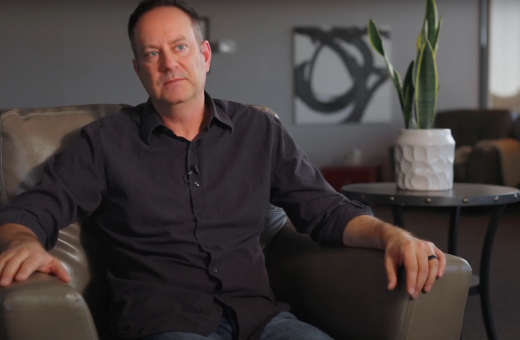
By Dr. Floyd Godfrey
Raising boys into healthy, emotionally grounded men remains a pressing concern for families and mental health professionals alike. Cultural expectations often shape boys toward emotional restriction, limiting their ability to express vulnerability and form secure attachments. Parents and clinicians need to better understand the nuanced ways boys communicate love and connection. Research highlights that misunderstanding these expressions may contribute to emotional disconnection and attachment struggles later in life.
Understanding Boys’ Expressions of Love
Boys frequently communicate affection through behavior rather than words, a pattern often misinterpreted by caregivers. Pollack (1999) explains, "...boys often relate in ways that many of us simply don't recognize as a means for expressing love. Boys approach friendships and express love differently from the way girls do, and too often we just don't get it, because we're so used to assuming that love can be expressed only through the traditional 'female' models," (p. 65). This insight challenges clinicians and parents to broaden their definitions of emotional expression.
Further, “Even at a very young age, boys may show their love not so much with words but through action,” (Pollack, 1999, p. 66). For example, “A boy is more likely to ask his mother to do something—to play a game, give him a ride. Or he might express love indirectly—give her a playful nudge and then run away, hoping, of course that she'll give chase,” (Pollack, 1999, p. 66). These behaviors are not avoidance; they are bids for connection. Recognizing these bids is critical for fostering secure attachment.
Attachment Patterns and Emotional Development
Attachment theory emphasizes the importance of consistent, attuned caregiving in early development. However, boys often receive subtle messages discouraging emotional openness, leading to indirect attachment strategies. Pollack (1999) notes, “On the whole, boys tend to seek attachment less through asking for it directly and more by trying to bring it about indirectly or through action,” (p. 67). This indirectness can be misread as emotional distance, when in fact it reflects adaptive behavior within cultural constraints.
Despite these differences, the emotional needs of boys are not diminished. Pollack (1999) emphasizes, "...boys yearn for close relationships just as much as girls do," (p. 69). When these needs go unmet or misunderstood, boys may develop avoidant or anxious attachment patterns, increasing vulnerability to later relational and mental health challenges.
Educational Strategies for Parents and Clinicians
Effective parenting and clinical intervention require reframing how love and attachment are recognized in boys. Caregivers should be encouraged to engage in shared activities, interpreting these moments as relational opportunities rather than mere tasks. Therapists can guide parents to respond to action-based bids for connection with warmth and presence, reinforcing emotional safety.
Programs such as the Men of Valor Retreat offer structured environments where fathers and sons can deepen their attachment through shared experiences. These retreats provide experiential learning that strengthens emotional bonds while modeling healthy masculinity and communication.
The Role of Therapeutic Intervention
Therapeutic work with boys and men often involves helping them identify and articulate emotions that were historically expressed through behavior alone. Interventions may include experiential therapies, narrative approaches, and attachment-based work that honors their developmental history. Clinicians should normalize indirect expressions of love while gently expanding emotional vocabulary and relational skills.
Integrating fathers into the therapeutic process is particularly beneficial. When fathers learn to recognize and respond to their sons’ relational cues, the attachment bond strengthens, promoting resilience and emotional regulation.
Raising boys into emotionally healthy men requires intentionality, awareness, and compassion. By understanding their unique love language and attachment patterns, caregivers and professionals can foster deeper connection and psychological well-being. With the right support and insight, boys can grow into men who are both strong and emotionally present, capable of forming meaningful, secure relationships.
Floyd Godfrey PhD is a Certified Mental Health Coach and has been guiding clients since 2000. He currently speaks and provides consulting and mental health coaching across the globe. To learn more about his services please visit his website: www.FloydGodfrey.com.
References
Pollack, W. S. (1999). Real boys: Rescuing our sons from the myths of boyhood. Henry Holt & Co.
Get Started
Fill out form below