By Dr. Floyd Godfrey
College is a season of new freedom, new identity, and heavy pressure, and for many students it is also when pornography use becomes compulsive. Unlimited access, a private dorm room, and little accountability make it easy for a habit to harden into a pattern. Clinicians and researchers such as Patrick Carnes, Don Hilton, and Kevin Skinner have shown that this struggle is real, treatable, and far more common than most students realize. If you feel stuck, I want you to know that your hope is well founded.
Understanding the Battle
Hilton (2013) explains that repeated pornography use can reshape the brain’s reward pathways, which is why willpower alone so often falls short. This is not a character flaw; it is a learned pattern that can be unlearned. Carnes (2001) describes how guilt and shame feed secrecy, and secrecy feeds the cycle. Brown (2006) found that shame grows in silence and loses strength when it is shared with someone safe. Simply naming the struggle is the first real step toward recovery.
The Power of Community
Isolation is the soil where addiction grows, so building connection is one of the most protective things a student can do. That might be a trusted friend, a faith leader, a support group, or a group program designed for college students. Sharing your story is not weakness; it is evidence of courage and a commitment to change. Groups offer understanding, accountability, and the relief of discovering that others have fought the same battle and are winning.
Setting Realistic Goals and Building Healthy Habits
Recovery does not happen overnight. Start with a day, then a week, and celebrate each win. Replace the time and energy once given to pornography with exercise, hobbies, meditation, study groups, and time with friends. Getting out of your dorm room to be around people instead of isolating is one of the simplest and most effective changes you can make. Filtering software and studying in public spaces can also reduce late-night vulnerability.
The Role of Therapeutic and Coaching Interventions
A counselor who specializes in sexual addiction can tailor strategies to your life and help uncover the anxiety, depression, stress, or loneliness that often drives the behavior. Many campuses have counseling centers, and community therapists are only a call or search away. A coach can add another layer of accountability by helping you turn insights into weekly habits. Skinner (2005) emphasizes that recovery works best when education, accountability, and practical skills are woven together.
Treating Relapse as Information
Relapses happen, and they do not erase your progress. Each one offers data about triggers, stress levels, and gaps in your plan. Respond with curiosity and self-compassion rather than harsh self-criticism, tell someone safe quickly, and adjust your strategy. Shame pushes people back toward the behavior, but honesty moves them forward.
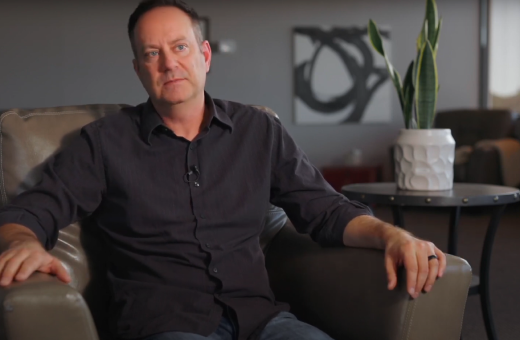
Floyd Godfrey, PhD is a Certified Sexologist and a Certified Sex Addiction Specialist Supervisor. He has seen countless students move from hiding and self-disgust to honesty, confidence, and freedom. By building community, setting realistic goals, replacing old habits, seeking professional support, and treating setbacks as lessons, you can emerge from this season stronger. Your current struggle does not define your future. Keep going, and remember that recovery is about more than quitting a behavior; it is about discovering your strength and the person you are becoming.
References
Brown, B. (2006). Shame resilience theory: A grounded theory study on women and shame. Families in Society, 87(1), 43–52.
Carnes, P. (2001). Out of the shadows: Understanding sexual addiction (3rd ed.). Hazelden Publishing.
Hilton, D. L. (2013). Pornography addiction: A supranormal stimulus considered in the context of neuroplasticity. Socioaffective Neuroscience & Psychology, 3(1), Article 20767. https://doi.org/10.3402/snp.v3i0.20767
Skinner, K. B. (2005). Treating pornography addiction: The essential tools for recovery. Growth Climate.
Get Started
Fill out form below