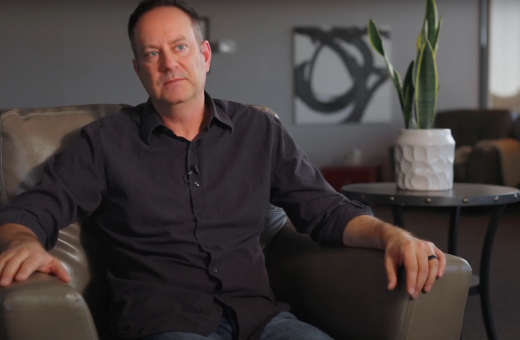
By Dr. Floyd Godfrey
When people think about abuse, they often picture bruises, broken bones, or other visible injuries. Physical abuse certainly leaves obvious marks, but emotional abuse frequently remains hidden beneath the surface. Although it may not leave physical evidence, emotional abuse can be just as destructive, and in many cases, it serves as the foundation upon which other forms of abuse are built.
Emotional abuse differs from physical, sexual, financial, or spiritual abuse because its primary target is a person's identity, worth, and emotional well-being. Rather than using fists or physical force, emotional abuse uses manipulation, intimidation, humiliation, rejection, criticism, control, threats, or ongoing patterns of belittling behavior. The wounds often develop gradually, making it difficult for victims to recognize the damage until their confidence, hope, and sense of self have been significantly diminished.
Unlike isolated conflicts or disagreements, emotional abuse involves an ongoing pattern of behavior designed to gain power and control over another person. It undermines the victim's ability to trust their own perceptions and often creates confusion, fear, shame, and dependency. Over time, the victim may begin to believe the hurtful messages they repeatedly hear about themselves.
One of the dangers of emotional abuse is that it rarely exists in complete isolation. It often weaves into other forms of abuse, reinforcing and strengthening them. In physically abusive relationships, emotional abuse commonly precedes acts of violence through intimidation, threats, or constant degradation. In sexually abusive relationships, emotional manipulation may be used to coerce compliance or create feelings of guilt and obligation. Financial abuse often includes emotional tactics that convince the victim they are incapable of managing money or surviving independently. Even spiritual abuse frequently depends upon emotional manipulation by twisting Scripture or using religious authority to produce fear, shame, or unquestioning obedience.
Because emotional abuse can accompany many other forms of abuse, it is often overlooked. Survivors may focus on the visible harm while failing to recognize the deeper emotional injuries that continue long after the abusive events have ended. Yet these internal wounds often have the longest-lasting effects.
Gregory L. Jantz (2009) explains that emotional abuse can continue its destructive influence across generations. He writes, "As with other types of abuse, emotional abuse can be self-perpetuating. You accept the abuse, deny its impact, and ignore your inner self so much that, if you are not alert and careful, you end up continuing the cycle within your own relationships. Either you again take up the role of the abused in your new relationship or you switch roles and become the abuser," (p. 30). This observation highlights how unresolved emotional wounds can shape future relationships unless intentional healing takes place.
Many people who engage in emotionally abusive behavior are simply repeating patterns they experienced growing up. While this does not excuse abusive behavior, it helps explain why emotional abuse can become normalized within families and communities. Jantz (2009) observes, "Emotional abuse has been ignored, its effects have been denied, and its place within relationships has been accepted. The people doing the abuse may not even be aware of the harm they are inflicting on others. They assume that's the way it should be because that's the way they were brought up; there's nothing wrong with it," (p. 31). Recognizing these unhealthy patterns is an important step toward breaking the cycle.
Healing begins when individuals honestly identify emotional abuse for what it is. Denial allows the damage to continue, while acknowledgment opens the door to recovery. As Jantz (2009) states, "To heal from emotional abuse, you need to begin to call attention to it, especially as it relates to your own life," (p. 32). This process often requires courage, trusted support, professional counseling, and, for many believers, a renewed understanding of their identity in Christ.
The Bible consistently affirms the inherent value and dignity of every person. Scripture teaches that each individual is created in the image of God (Genesis 1:27, NIV), and believers are reminded that they are "fearfully and wonderfully made" (Psalm 139:14, NIV). Emotional abuse directly contradicts these biblical truths by attacking a person's God-given worth and replacing truth with lies.
The long-term effects of emotional abuse can include anxiety, depression, chronic self-doubt, difficulty trusting others, unhealthy relationship patterns, and a distorted self-image. Even after the abusive relationship ends, the internal messages often remain. Jantz (2009) summarizes this lasting impact: "Emotional abuse is so damaging because it outlives its own life span. Not only does it damage a person's self-esteem at the time it is done, it also sets up a life pattern that daily assaults the inner being," (p. 37). This lingering influence explains why healing frequently requires more than simply leaving the abusive environment.
For pastors, ministry leaders, parents, and counselors, recognizing emotional abuse is essential. Individuals seeking help may not describe physical violence, yet they may carry deep emotional wounds that affect every aspect of life. Compassionate listening, biblical encouragement, appropriate accountability, and professional intervention when necessary can provide hope and healing for those who have suffered.
Emotional abuse may be less visible than other forms of abuse, but it is no less real. In fact, it often strengthens and accompanies physical, sexual, financial, and spiritual abuse by weakening a person's confidence and ability to resist mistreatment. Bringing emotional abuse into the light is one of the first steps toward freedom, restoration, and healthier relationships grounded in truth, dignity, and God's love.
Floyd Godfrey PhD is a Board Certified Christian Counselor and has facilitated groups within different churches and denominations over the past 30 years. He worked as a licensed clinician for 23 years and provided supervision and training for other counselors as they worked toward independent licensure. You can read more about Floyd Godfrey PhD at www.FloydGodfrey.com.
References
Jantz, G. L. (2009). Healing the scars of emotional abuse. Revell Publishing.
Get Started
Fill out form below