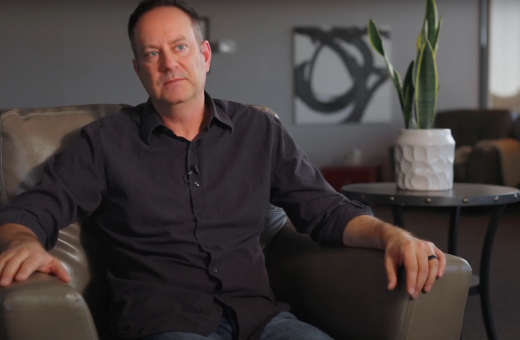
By Dr. Floyd Godfrey
Modern culture often celebrates independence, self-reliance, and personal achievement. While responsibility and diligence are valuable qualities, Scripture reminds us that human beings were never created to be completely self-sufficient. We were designed for relationship with God, and our deepest strength is found not in our independence but in our dependence upon Him. The moments when we recognize our limitations often become the very moments when God's grace is most clearly experienced.
Many people spend years trying to prove they are strong enough to handle every challenge on their own. They work harder, suppress emotions, and attempt to control every outcome. Yet these efforts often produce exhaustion rather than peace. God allows us to experience our limitations because dependence on Him is not a weakness. It is the pathway to spiritual maturity.
Author C. Dodd (2015) identifies pride as one of the greatest obstacles to healthy living. He writes, "Pride keeps us from abundant living because it rejects our powerlessness" (p. 85). This observation aligns closely with the Christian understanding of humility. Admitting that we need God requires acknowledging that we are not ultimately in control. Pride resists this truth because it prefers the illusion of complete independence.
Dodd (2015) continues, "Pride refuses to believe that life is bigger than we are and that life affects us" (p. 85). Life regularly reminds us that circumstances exist beyond our ability to manage. Illness, financial hardship, broken relationships, and unexpected losses reveal how limited our control truly is. Although these experiences can be painful, they often become opportunities for deeper trust in God. Rather than viewing hardship only as punishment or failure, believers can recognize that God may use these seasons to redirect their hearts toward greater dependence upon Him.
Sometimes our response to pain is to protect ourselves emotionally. Dodd (2015) explains, "When we attempt to deny our vulnerability, we use the energy of anger to build a wall around the heart which we believe will stop or relieve life's pains" (p. 85). Defensive walls may seem to offer protection, but they also isolate us from the comfort God desires to provide. Emotional self-protection can gradually become spiritual self-reliance, leaving little room for God's healing work.
Instead, God invites His children to embrace humble vulnerability. Dodd (2015) offers a hopeful alternative, writing, "Another is the power to reach out in vulnerability, though we have every reason to wish not to ever hurt again" (p. 85). This kind of openness reflects genuine faith. Trusting God does not eliminate suffering, but it enables believers to experience His presence in the midst of suffering. As we become willing to acknowledge our need, we become more receptive to His comfort, wisdom, and strength.
The apostle Paul captured this truth when he recorded the Lord's words: "My grace is sufficient for you, for my power is made perfect in weakness" (2 Corinthians 12:9, NIV). God's power is not displayed most clearly when we appear strongest, but when we humbly acknowledge that we cannot carry life's burdens alone. Our weakness becomes the place where His strength is most evident.
Hardship often strips away the illusion of self-sufficiency. Although we rarely welcome these seasons, they can become sacred reminders that our security has never rested in our own abilities. God uses trials to deepen our faith, refine our character, and draw us closer to Himself. As we surrender our pride and embrace dependence upon Him, we discover that His strength is more than enough for every circumstance we face.
Floyd Godfrey PhD is a Board Certified Christian Counselor and has facilitated groups within different churches and denominations over the past 30 years. He worked as a licensed clinician for 23 years and provided supervision and training for other counselors as they worked toward independent licensure. You can read more about Floyd Godfrey PhD at www.FloydGodfrey.com.
References
Dodd, C. (2015). The voice of the heart: A call to full living. Sage Hill.
Get Started
Fill out form below