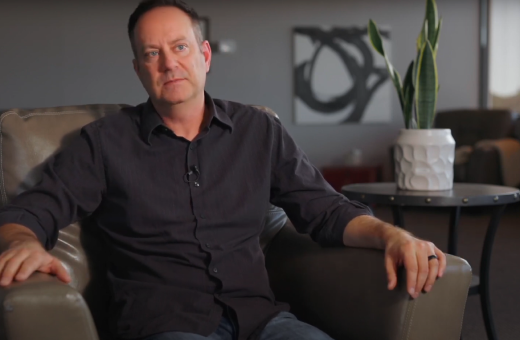
By Dr. Floyd Godfrey
In mental health, understanding the psychological patterns that underpin addiction is crucial. This is especially true of pornography addiction, a complex issue that affects self-perception, relationships, and outlook on life. Dr. Patrick Carnes, a leading figure in the study of sexual addiction, asserts, “Addiction is a relationship, a pathological relationship in which obsession replaces people.” That statement underscores the profound impact of addiction on personal connections and self-view.
I’m Bad: The Root of Self-Loathing
One of the foundational core beliefs of people struggling with pornography addiction is the pervasive thought that “I’m bad.” This belief grows out of deep-seated shame, which is often made worse by the secretive nature of the addiction. It reflects how addiction skews self-image, leading people to see themselves through a lens of moral failing rather than recognizing a need for compassion and support.
Unlovable: The Fear of Rejection
Another core belief is the fear that “No one could love me the way I am.” This sentiment is deeply intertwined with the fear of intimacy and vulnerability. Rob Weiss, an expert in sexual addiction, highlights that “Sexual addiction is often a misguided search for intimacy, where sex becomes a substitute for genuine connection.” That quote illuminates the tragic irony of pornography addiction: the pursuit of closeness leads to further isolation.
Distrust: The Isolation from Support
The belief “I can’t trust others to be there for me” is a significant barrier to seeking help. It arises from past betrayals or from the stigma associated with addiction, and it leads people to retreat into isolation rather than reach out. This distrust hampers recovery, because healing often requires the support of a compassionate community.
Life Without Sex Seems Impossible: The Fear of Emptiness
Finally, the belief that “Life without sex seems impossible” reflects reliance on the behavior as a coping mechanism. It is a testament to the addictive cycle, where temporary relief is sought through compulsive behavior while deeper emotional needs and the potential for healthy relationships are ignored.
Education, Application, and Integration
Education begins by simply naming these beliefs, because a belief that stays hidden keeps its power. Application means testing them against real experience: letting someone safe see you honestly and noticing that you are still accepted. Integration happens as new, healthier beliefs about worth, trust, and intimacy replace the old ones.
The Role of Therapeutic and Coaching Interventions
A therapist can help trace where each belief began and how it keeps the cycle going, while a coach can help a person practice new patterns week by week. Counseling provides a pathway to understanding the underlying issues that fuel addiction, and it creates a relationship in which trust can be rebuilt in real time.
Floyd Godfrey, PhD is a Certified Sexologist and a Certified Sex Addiction Specialist Supervisor. Overcoming pornography addiction requires confronting and transforming these core beliefs, and that is hard to do alone. With professional support, people can learn to navigate these challenges and move toward healing and fulfillment. You are not the worst thing you have done, and you are more lovable than shame has told you. To schedule a free 15-minute discovery call to ask questions or for general guidance click HERE.
Floyd Godfrey, PhD is a Clinical Sexologist and a Certified Sex Addiction Specialist. He has been guiding clients since 2000 and currently speaks and provides consulting and mental health coaching across the globe. To learn more about Floyd Godfrey, PhD please visit his website: www.FloydGodfrey.com
Get Started
Fill out form below