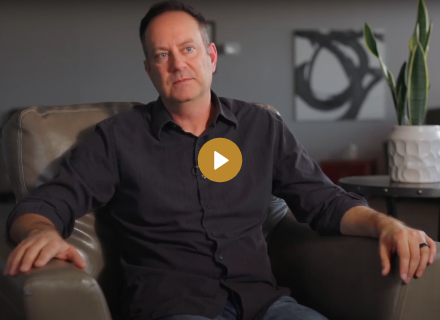
By Dr. Floyd Godfrey
Fear is one of the most universal human emotions. Every person experiences it at different points in life, whether facing uncertainty, loss, conflict, or significant change. While fear is often viewed negatively, Scripture and sound psychological insight reveal that fear itself is not the enemy. Instead, fear presents a crossroads. It can become the catalyst for spiritual growth and deeper dependence upon God, or it can lead us into retreat, discouragement, and spiritual backsliding.
God's encouragement to Joshua illustrates this truth. As Joshua prepared to lead the nation of Israel after Moses' death, he faced an overwhelming responsibility. The Lord spoke directly to his fear:
"Have I not commanded you? Be strong and courageous. Do not be frightened, and do not be dismayed, for the Lord your God is with you wherever you go" (English Standard Version Bible, 2001, Joshua 1:9).
The word dismayed carries the idea of becoming discouraged, shattered, or overwhelmed to the point of losing heart. It describes more than a moment of fear. It reflects a condition where fear begins to dominate one's perspective, causing paralysis and retreat. God was not condemning Joshua for experiencing fear. Rather, He was calling Joshua not to allow fear to become discouragement that would keep him from faithfully obeying God's calling.
This distinction remains important today. Fear is a natural emotional response, but what we do with that fear determines whether it becomes a stepping stone toward maturity or a stumbling block that leads us away from faithful living.
Christian author Chip Dodd offers valuable insight into the healthy purpose of fear. He explains, "Fear can motivate you to reach out for help, risk your heart with your need, and trust others for assistance" (Dodd, 2015, p. 91). Instead of viewing fear as weakness, Dodd recognizes it as an invitation to humility. Fear reminds us that we are not designed to carry life's burdens alone.
He continues, "Fear can help you depend upon others for their skill and willingness, and can help you collaborate with others for mutual gain" (Dodd, 2015, p. 91). Healthy fear can strengthen relationships by encouraging cooperation, accountability, and shared wisdom. Within the body of Christ, this principle reflects God's design that believers support and encourage one another.
The danger comes when fear is ignored or resisted. Rather than leading us toward God and trusted people, unmanaged fear often drives us inward. Isolation, self-reliance, and avoidance become substitutes for faith. Dodd writes, "Fear offers the opportunity to trust God and others with our need for help, or it entices us to stay stuck in distrust and self-will" (2015, p. 92). This observation closely parallels the warning found within Joshua's experience. Fear itself is not the greatest threat. Becoming dismayed, allowing fear to erode trust and obedience, is where spiritual decline often begins.
Backsliding rarely begins with open rebellion. More often, it starts with discouragement. A fearful heart begins questioning God's faithfulness, withdrawing from community, neglecting spiritual disciplines, and depending solely upon personal understanding. What began as a normal emotional response gradually becomes a spiritual pattern of retreat.
Conversely, fear can become one of God's greatest tools for growth. Fear exposes our limitations and reminds us of our need for God's presence. It encourages prayer, wise counsel, and humble dependence. As Dodd concludes, "Acknowledging our fear offers new relational experiences and initiates the beginning of wisdom" (2015, p. 92). Honest acknowledgment of fear opens the door to deeper trust, healthier relationships, and greater spiritual maturity.
Joshua's courage was not based upon his own confidence but upon God's promise to be with him. The same principle applies to believers today. We need not deny fear or pretend it does not exist. Instead, we are invited to bring our fears before God, refuse to become dismayed, and continue walking forward in faithful obedience. In doing so, fear becomes not the beginning of defeat, but the beginning of wisdom and growth.
Floyd Godfrey PhD is a Board Certified Christian Counselor and has facilitated groups within different churches and denominations over the past 30 years. He worked as a licensed clinician for 23 years and provided supervision and training for other counselors as they worked toward independent licensure. You can read more about Floyd Godfrey PhD at www.FloydGodfrey.com.
References
Dodd, C. (2015). The voice of the heart: A call to full living. Sage Hill.
English Standard Version Bible. (2001). Crossway. (Original work published 2001)
Get Started
Fill out form below