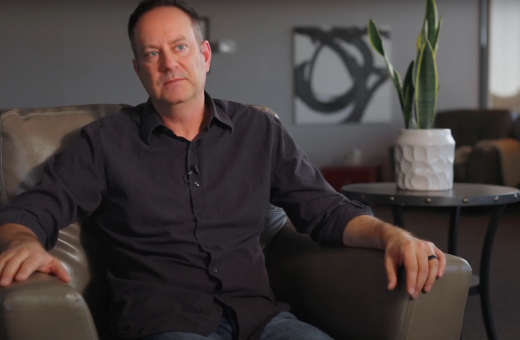
By Dr. Floyd Godfrey
The journey from boyhood into manhood is a critical developmental process that significantly influences identity, emotional stability, and relational health. Many men entering counseling or coaching environments present with unresolved questions about purpose, confidence, and belonging. These struggles are often rooted in early developmental gaps, particularly in how masculine identity was formed. Drawing from Eldredge (2002), the process of becoming a man is not automatic; it is relational, intentional, and deeply psychological.
The Developmental Need for Masculine Affirmation
A foundational concept in understanding male development is the necessity of masculine affirmation. Eldredge (2002) explains, “In order to understand how a man receives a wound, you must understand the central truth of a boy's journey to manhood: Masculinity is bestowed” (p. 82). This statement highlights a critical psychological reality: boys require validation and recognition from male figures to internalize a secure sense of identity.
When this affirmation is absent, boys often interpret the lack of guidance as a reflection of their worth. This can lead to internalized shame, self-doubt, and a fragmented sense of self. Eldredge (2002) further states, “A boy learns who he is and what he's got from a man, or the company of men. He cannot learn it any other place” (p. 82). This emphasizes the importance of male modeling and relational learning. Without it, boys may seek alternative, often unhealthy, ways to define themselves, including risk-taking behaviors, emotional suppression, or social withdrawal.
The Psychological Impact of Transition and Separation
The transition from dependence to independence is another defining stage in the journey to manhood. Eldredge (2002) notes, “There comes a time in every young man's life when he leaves his mother's side and enters the world of men starting with his father's world” (p. 86). This shift represents more than physical separation; it is a psychological reorientation toward responsibility, identity, and purpose.
When this transition is unclear or unsupported, it can result in developmental stagnation. Many men may feel “stuck,” uncertain of their role or lacking confidence in their decisions. This often manifests in difficulty forming healthy relationships, avoidance of responsibility, or an ongoing search for validation. The absence of a clear passage into manhood leaves a void that can perpetuate emotional instability and identity confusion.
Educational Strategies for Healthy Masculine Development
Mental health professionals and mentors play a vital role in addressing these developmental gaps. Education focused on identity formation, emotional awareness, and resilience can help boys and men better understand their internal experiences. Creating environments where vulnerability is accepted and encouraged allows for healthier emotional expression.
Structured mentorship is particularly effective. Providing opportunities for boys to engage with positive male role models fosters the kind of affirmation Eldredge (2002) describes. Group settings, such as peer groups or team-based activities, can also reinforce belonging and identity through shared experiences and guidance.
The Role of Therapeutic Intervention
When wounds from this developmental journey persist, therapeutic intervention becomes essential. Many men benefit from exploring the origins of their self-perception and the messages they internalized during formative years. Therapy provides a space to process these experiences and begin reconstructing a healthier identity.
Narrative approaches can help individuals reframe their life stories, while cognitive strategies support the restructuring of limiting beliefs. The therapeutic relationship itself can serve as a corrective experience, offering consistent affirmation and guidance that may have been absent earlier in life.
The journey into manhood is not meant to be navigated alone. With intentional support, affirmation, and guidance, individuals can move beyond early wounds and develop a grounded, confident sense of self. Healing is not only possible—it is transformative, opening the door to deeper relationships, clearer purpose, and lasting emotional well-being.
Floyd Godfrey PhD is a Certified Mental Health Coach and has been guiding clients since 2000. He currently speaks and provides consulting and mental health coaching across the globe. To learn more about his services please visit his website: www.FloydGodfrey.com.
References
Eldredge, J. (2002). Wild at heart: Field manual: A personal guide to discovering the secret of your masculine soul. T. Nelson Publishers.
Get Started
Fill out form below