By Dr. Floyd Godfrey
As pornography addiction becomes more common, its effects reach well beyond the person using. Spouses are often the overlooked casualties, carrying pain they may be unable to name or share. Steffens and Rennie (2006) documented that wives of sexual addicts frequently report symptoms consistent with trauma, and Schneider (2000) found widespread feelings of betrayal, rejection, and loss among partners of people with cybersex addiction. Clinicians such as Rob Weiss, Kim Buck, and Stefanie Carnes have worked to bring those hidden wounds into the open.
The Shadow of Addiction
Pornography addiction introduces betrayal, secrecy, and eroded trust into a marriage. Many spouses describe living in two realities: the relationship they believed in and the one the addiction created. Weiss (2015) emphasizes that sexual addiction affects the whole relationship system, not just one person. Recognizing the partner’s experience as a real injury, and not an overreaction, is a vital starting point.
Understanding Betrayal Trauma
Betrayal trauma happens when the trust at the foundation of a relationship is shattered. The spouse may feel isolated, ashamed, and unsure of her own worth or perceptions. She may struggle with sleep, concentration, hypervigilance, and intrusive thoughts. S. Carnes (2011) notes that partners need their own path of care, separate from the recovery of the person with the addiction, because their healing has different goals and timelines.
Education, Application, and Integration
Healing begins with education. When a spouse understands how addiction works, confusion and self-blame begin to ease. Application means putting that knowledge to work through boundaries, self-care, support groups, and honest conversations. Integration is the slow weaving of those practices into everyday life until safety and self-trust return. The most helpful programs take a dual approach that supports the person struggling and the spouse at once.
Supporting Both Partners
Effective care recognizes that both partners are hurting. The person in recovery needs accountability and tools; the spouse needs safety and validation. When therapy honors both realities, couples can face the work of recovery together without minimizing either person’s pain.
The Role of Therapeutic and Coaching Interventions
Therapy gives a spouse a safe place to express anger, grief, and fear without being told to move on. A skilled counselor teaches coping skills, helps her sort out what she needs, and guides couples work when both partners are ready. Individual and couples therapy used together help both people heal while rebuilding honesty and trust. Coaching can add day-to-day structure around boundaries, communication, and self-care.
Rebuilding Trust Takes Time
Trust returns slowly through consistent honesty, transparency, and changed behavior, never through promises alone. Spouses may find that waves of pain continue even after sobriety is established. That is normal, and patience from both partners goes a long way.
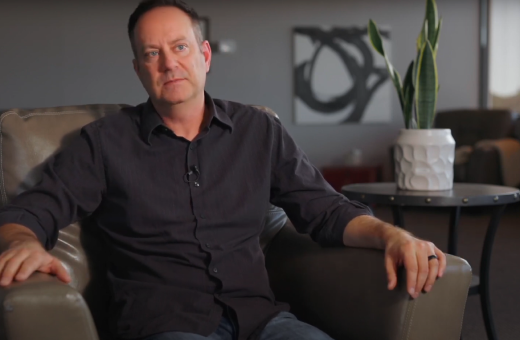
Dr. Godfrey has seen the silent suffering of spouses lift when they are believed, educated, and supported. The path through betrayal trauma requires compassion, patience, and skilled help, but it leads toward renewed trust and hope. If you are a spouse carrying this pain in silence, you do not have to carry it alone.
Floyd Godfrey, PhD is a Certified Sexologist and a Certified Sex Addiction Specialist Supervisor. He has been guiding clients since 2000 and currently speaks and provides consulting and mental health coaching across the globe. To learn more about Floyd Godfrey, PhD please visit his website: www.FloydGodfrey.com. To schedule a free 15-minute discovery call to ask questions or for general guidance click HERE.
References
Carnes, S. (Ed.). (2011). Mending a shattered heart: A guide for partners of sex addicts (2nd ed.). Gentle Path Press.
Schneider, J. P. (2000). Effects of cybersex addiction on the family: Results of a survey. Sexual Addiction & Compulsivity, 7(1–2), 31–58.
Steffens, B. A., & Rennie, R. L. (2006). The traumatic nature of disclosure for wives of sexual addicts. Sexual Addiction & Compulsivity, 13(2–3), 247–267.
Weiss, R. (2015). Sex addiction 101: A basic guide to healing from sex, porn, and love addiction. Health Communications.
Get Started
Fill out form below