By Dr. Floyd Godfrey
Many women who discover a spouse’s pornography addiction describe the experience as a violent break in reality. This reaction is often called betrayal trauma, a term for the psychological injury that happens when someone we deeply trust violates that trust in a significant way. Steffens and Rennie (2006) found that wives of sexual addicts often show trauma symptoms after discovery or disclosure, and Stefanie Carnes (2011) has long urged professionals to treat partners as people who need care in their own right.
Understanding Betrayal Trauma
Betrayal trauma can bring anger, confusion, panic, sadness, and a sense of being unsafe in your own home. Many women replay memories, question their own perception, or wonder what they missed. Schneider (2000) surveyed partners affected by cybersex addiction and found reports of hurt, rejection, and loss of trust, along with damage to self-esteem and intimacy. These reactions are not signs of weakness; they are normal responses to a serious injury.
Releasing Self-Blame
Many women quietly ask whether they caused this by not being attractive, available, or observant enough. Stefanie Carnes (2011) and other clinicians who work with partners consistently stress that a spouse’s addiction is not the partner’s fault. Naming that truth early can lighten a heavy load and make room for healing.
Grounding Before Deciding
In the first days and weeks, a trauma response can make it hard to tell intuition from fear. Many therapists encourage women to postpone major decisions when possible, lean on grounding practices such as sleep, nutrition, prayer or meditation, time outdoors, and trusted friends, and return to their values once the intensity has settled. Choices made from peace rather than panic tend to protect long-term well-being.
The Role of Therapeutic and Coaching Interventions
Specialized care matters. Counselors trained in sexual addiction and betrayal trauma understand the unique patterns of partner injury, and group settings can offer validation that is hard to find elsewhere. Programs which emphasize education, application, and integration, provide structured support for women, and coaching can help with boundaries, communication, and daily self-care. Good therapy treats the partner’s healing as its own goal, not as a side effect of her husband’s recovery.
Finding Support and Healing
Recovery from betrayal trauma is marked by patience and resilience. Healing often includes learning about addiction so the behavior is no longer a confusing mystery, setting clear boundaries, and rebuilding self-trust. A compassionate therapist offers a place where pain is validated and a woman’s sense of self can be reclaimed. If the couple pursues reconciliation, trust is rebuilt through consistent honesty and transparency over time, not through promises.
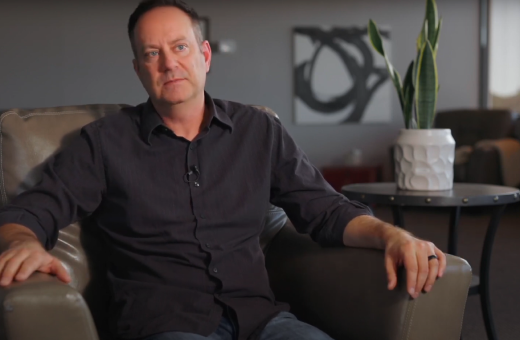
Floyd Godfrey, PhD is a Certified Sexologist and a Certified Sex Addiction Specialist Supervisor. He has walked with many women through the pain of discovery, and he has seen that healing is not only possible but often transformative. Betrayal trauma is real, and it deserves skilled care. With education, community, and professional support, a woman can move from devastation to clarity and from isolation to renewed hope. You are not broken, and you are not alone. To schedule a free 15-minute discovery call to ask questions or for general guidance click HERE.
References
Carnes, S. (Ed.). (2011). Mending a shattered heart: A guide for partners of sex addicts (2nd ed.). Gentle Path Press.
Schneider, J. P. (2000). Effects of cybersex addiction on the family: Results of a survey. Sexual Addiction & Compulsivity, 7(1–2), 31–58.
Steffens, B. A., & Rennie, R. L. (2006). The traumatic nature of disclosure for wives of sexual addicts. Sexual Addiction & Compulsivity, 13(2–3), 247–267.
Get Started
Fill out form below