By Dr. Floyd Godfrey
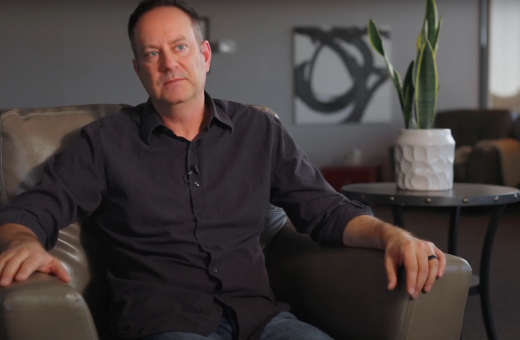
Transitions in life can bring uncertainty, fear, and emotional discomfort. Yet throughout Scripture, God consistently calls His people to trust Him when entering unfamiliar territory. In Be Strong & Courageous - Part 3, Paul Earle (2026) emphasizes that spiritual maturity requires believers to surrender privately before they can fully obey publicly. This process of surrender and consecration prepares Christians to walk faithfully into the “promised land” God has for them.
The biblical narrative of Joshua leading Israel into Canaan demonstrates that God often removes old sources of security so His people can learn deeper trust and obedience. The principles shared in Earle’s message offer encouragement for believers navigating change, uncertainty, and spiritual growth.
Private Surrender Before Public Obedience
Earle (2026) stated, “Private surrender leads to public surrender.” This statement reflects a foundational biblical principle. Genuine obedience to God begins internally before it is visible externally. Spiritual transformation first occurs in the heart, where believers submit their desires, fears, and ambitions to God.
Jesus frequently emphasized inward transformation over outward appearances. Public acts of faithfulness become sustainable only when rooted in sincere private devotion. Prayer, repentance, and humility cultivate the kind of heart that can follow God faithfully during difficult seasons.
Earle also encouraged believers to “come into agreement with God, not try to negotiate with him.” Many Christians struggle with partial surrender, wanting God’s blessings while resisting His refining work. However, transformation requires honesty before God and openness to change. Believers cannot overcome spiritual struggles alone; they need both God’s power and the encouragement of Christian community.
Consecration Before the Promise
A significant theme in Joshua’s story is consecration before victory. Earle (2026) explained, “Consecration has to occur before you can receive your promised land.” Before Israel entered fully into God’s promises, they underwent spiritual preparation and renewal.
Consecration involves setting oneself apart for God’s purposes. It includes repentance, surrender, and alignment with God’s will. This process may feel uncomfortable because it often requires letting go of unhealthy attachments, sinful habits, or misplaced security.
Earle encouraged believers to pray honestly: “I don't want to hold onto the wrong things! I want to align myself with you!” Such a prayer demonstrates humility and willingness to be transformed. Spiritual growth becomes possible when individuals stop clinging to what is familiar and instead trust God’s direction.
Leaving the Old Season Behind
Joshua 5:12 marks a major transition for Israel:
“And the manna stopped the day after they ate this food from the land; there was no longer any manna for the Israelites, but that year they ate the produce of Canaan” (New International Version, 2011, Joshua 5:12).
For years, manna had sustained the Israelites in the wilderness. Yet once they entered the promised land, God changed how He provided for them. While the loss of manna may have felt unsettling, it represented spiritual growth and movement into a new season.
Earle (2026) observed that many believers experience confusion, doubt, and pain during transitions. Nevertheless, he encouraged Christians to “focus on the goodness of the new season.” God’s new work often requires releasing old dependencies. What once served as “training wheels” may no longer be necessary because God is preparing believers for greater responsibility and maturity.
Ecclesiastes 7:10 warns against romanticizing the past: “Do not say, ‘Why were the old days better than these?’ For it is not wise to ask such questions” (New International Version, 2011, Ecclesiastes 7:10). Believers can become spiritually stagnant when they constantly compare the present to previous seasons. God calls His people to trust Him not only for yesterday’s provision but also for today’s guidance and tomorrow’s promise.
Courage and Obedience in Uncertain Circumstances
Fear is one of the greatest obstacles to spiritual growth. Earle (2026) cautioned, “Don't let fear keep you back.” Fear can prevent believers from embracing God’s calling, especially when obedience appears risky or illogical. The conquest of Jericho illustrates this principle clearly. God instructed Israel to march around the city rather than attack through conventional military strategies. Earle reminded listeners that “God calls you to be obedient when it looks illogical” (Joshua 6:15). Faith often requires trusting God beyond human understanding.
Obedience does not always make immediate sense. However, Scripture repeatedly demonstrates that God honors those who trust Him wholeheartedly. Christians are called to walk by faith rather than by sight, believing that God’s wisdom surpasses human reasoning.
Questions for Spiritual Reflection
Earle (2026) concluded with several challenging questions:
- “Is my heart prepared?”
- “Am I resisting change?”
- “Am I speaking fear or faith?”
- “Am I obeying or negotiating with God?”
These questions invite believers to examine their spiritual posture honestly. Growth requires humility and willingness to confront fear, resistance, and compromise. Entering a new season with God often involves both courage and surrender.
Christian maturity develops when believers choose faith over fear and obedience over negotiation. Although transitions may involve discomfort, God remains faithful throughout the process.
Conclusion
The journey into a new season with God requires surrender, consecration, courage, and obedience. Paul Earle’s message reminds believers that God prepares hearts privately before calling them publicly into greater faithfulness. The transition from wilderness provision to promised land abundance illustrates that God’s methods may change, but His faithfulness remains constant.
Christians are encouraged to release fear, resist longing for the past, and trust God’s direction even when it appears illogical. Through dependence on God and support from fellow believers, individuals can move confidently into the new season God has prepared for them.
Floyd Godfrey PhD is a Board Certified Christian Counselor and has facilitated groups within different churches and denominations over the past 30 years. He worked as a licensed clinician for 23 years and provided supervision and training for other counselors as they worked toward independent licensure. You can read more about Floyd Godfrey PhD at www.FloydGodfrey.com.
References
Earle, P. (2026, May). Be strong & courageous - Part 3 [Sermon]. Valley Hope Church.
New International Version Bible. (2011). Zondervan.
Get Started
Fill out form below